































Homeownership
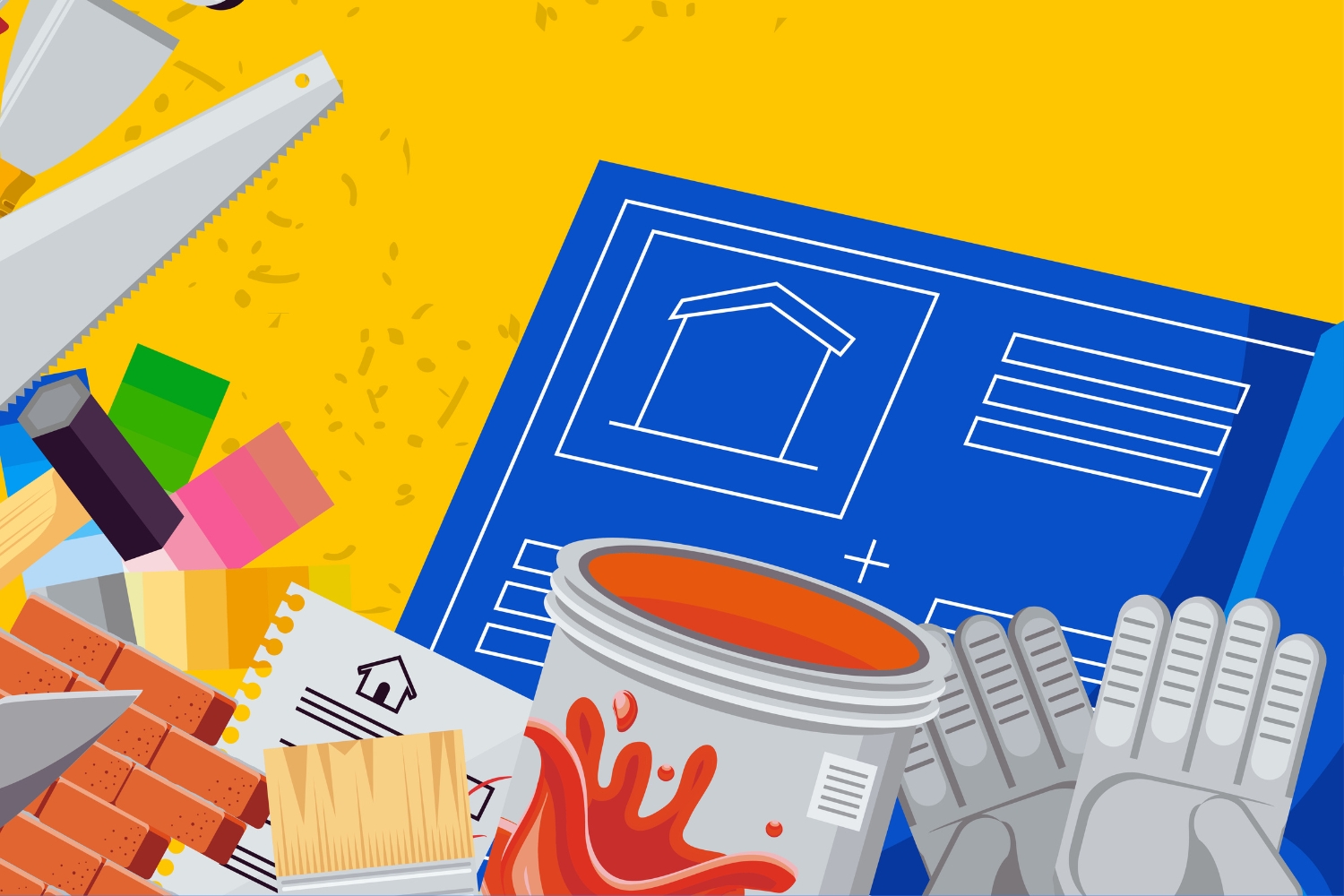
Have you ever looked around your house and thought about all the possibilities hiding in your walls, like new kitchen cabinets, a backyard patio, or maybe even a way to pay off those credit cards once and for all?
That’s where a home equity line of credit, or HELOC, comes in. Think of it as a flexible financial tool that lets you borrow against the value of your home, almost like having a safety net or an “opportunity fund” at your fingertips.
But here’s the big question: what can you use a HELOC for and just as importantly, when should you avoid it?
A home equity line of credit (HELOC) is a flexible financial tool that allows you to borrow against the equity in your home. Unlike a traditional home equity loan, a HELOC acts more like a credit card. You can borrow, repay, and borrow again during what’s called the draw period.
Because a home equity line is secured by your property, lenders often offer lower interest rates than unsecured personal loans or credit cards. You’ll also only pay interest on the amount you actually use. This flexibility makes HELOCs popular among homeowners with large expenses on the horizon.
Our local, award-winning lending team is ready to help you begin today.
With great flexibility comes responsibility. A HELOC can be a powerful financial tool if used wisely—and risky if mismanaged. Here’s a look at some of the best ways to use this type of loan, as well as some purchases you should be cautious with.
One of the most common ways homeowners use a HELOC is for home improvement. Big-ticket renovations like upgrading a kitchen, remodeling a bathroom, or replacing an aging HVAC system can run into the tens of thousands.
A HELOC makes sense here because improvements can add value to your property. In many cases, the return on investment helps offset the cost. For example, energy-efficient windows or solar panels may reduce your utility bills while boosting resale value.
Just be strategic: not every project pays off. Do your research before borrowing so you can focus on renovations that retain or increase home value.
Another smart way to use a HELOC is to consolidate high-interest debt. If you’re carrying balances on credit cards or juggling expensive personal loans, a HELOC may provide relief.
Here’s why: since HELOCs are secured loans, they usually offer lower interest rates than most loans or credit cards. By rolling multiple balances into one payment, you can simplify your finances and potentially save money on interest.
However, debt consolidation only works if you address the root cause of overspending. If you continue charging more than you can repay, you’ll risk falling into a deeper cycle of debt. Use this strategy as a way to reset your finances, not as a free pass to borrow more.
From tuition to textbooks, higher education comes with a hefty price tag. A HELOC can help cover these costs, especially if you want to avoid taking out expensive private student loans.
One advantage of using a HELOC for education is that you only draw what you need, when you need it. This means you don’t have to take a lump sum upfront and immediately start paying interest. Instead, you pay interest on the amount you borrow as tuition bills or expenses arise.
For parents, this flexibility can be especially helpful if you’re funding multiple semesters or supporting more than one child.
Life is unpredictable. Whether it’s unexpected surgery, ongoing treatment, or even major car repairs, large bills can arrive when you least expect them. A HELOC can serve as a financial safety net, providing quick access to funds when emergencies strike.
Of course, setting aside a dedicated emergency fund is almost always best. But if you don’t have savings built up, an existing HELOC is generally safer than alternatives like payday loans or high-interest credit cards.
Some homeowners choose to use HELOC funds for long-term financial goals, such as starting a small business or investing in professional training that boosts career income. These uses can be risky, but when carefully planned, they have the potential to generate a positive return that outweighs borrowing costs.
The key is to treat a HELOC as seed money for opportunities that improve your financial stability, not as a shortcut to cover daily expenses.
While there are many smart HELOC uses, it’s equally important to know when not to tap into your line of credit.
Remember: a HELOC isn’t “free money.” It’s a loan secured by your home. If you can’t keep up with monthly payments or your interest-only payment grows as rates rise, you could risk foreclosure. Always weigh the long-term implications before borrowing.
If you decide a HELOC is right for you, here are some tips to maximize its benefits:
From home improvement projects to education, debt consolidation, and even covering medical bills, a HELOC can be a powerful tool. Used wisely, it can help you reach goals, save on interest, and access funds with more flexibility than many other financing options.
But like any loan, a HELOC comes with risks. Because it’s tied to the equity in your home, misuse can have serious consequences. Avoid using it for nonessential expenses and always make a plan for monthly payments once the draw period ends. Handled carefully, a HELOC can turn the equity you’ve built into opportunities that support your financial future.
This article was first published on December 29, 2020.