































Homebuying
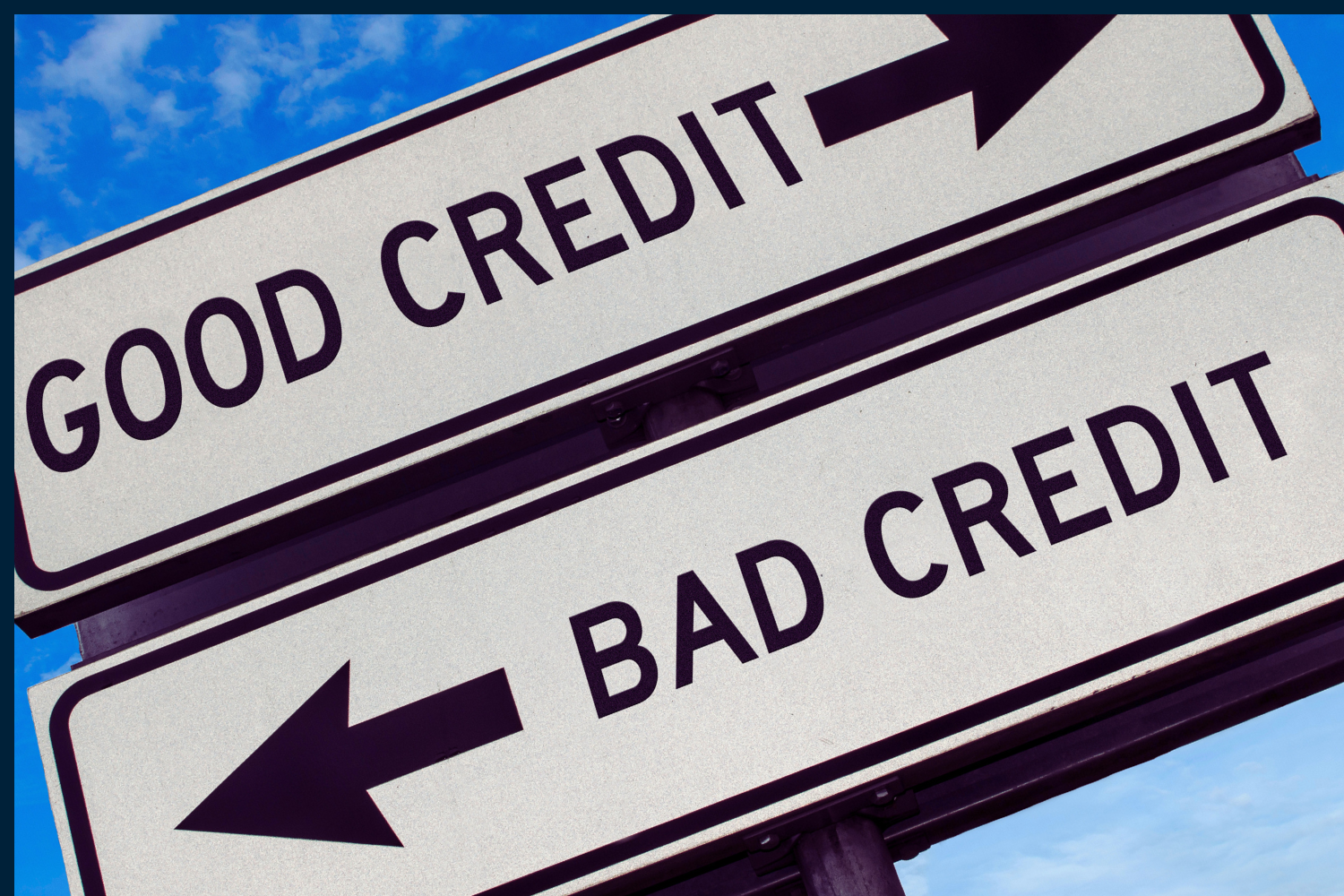
Your credit score plays a big role in your financial life. It influences the interest rates you get on loans, your ability to rent an apartment, and even how much you’ll pay for insurance. If your score isn’t where you want it to be, don’t worry. You can make meaningful progress with time and consistent effort.
A 200-point increase may sound ambitious, but it’s within reach for many people. The key is understanding what affects your credit score and taking steps to improve each area.
From paying down debt to building better credit habits, these strategies can help you raise your score and set yourself up for long-term financial success.
Before you can raise your credit score, you need to know where it is right now and what’s holding it back. Start by checking your credit reports from the three major credit bureaus: Equifax, Experian, and TransUnion. You can get a free copy from each bureau once a year at AnnualCreditReport.com.
Once you understand what’s on your reports, you’ll have a clearer picture of what to focus on. You might decide to pay down balances, catch up on missed payments, or dispute any mistakes you find.
Visit Amplify Credit Union’s Mortgage Overview page for more information.

If you find something on your credit report that looks wrong, it’s important to take action. Errors such as late payments you never missed, duplicate accounts, or debts that have already been paid off can lower your score unnecessarily.
Start by contacting the credit bureau that shows the error. You can file a dispute online, by mail, or by phone. Include copies of any documents that support your claim, such as payment confirmations or correspondence from a lender. The bureau is required to investigate, usually within 30 days.
If the information is found to be incorrect, it will be removed or updated on your report. Correcting these mistakes can sometimes lead to a quick improvement in your credit score.
Your credit utilization ratio, which compares your credit card balances to your credit limits, has a major impact on your score. The lower this ratio, the better. A good goal is to keep your utilization under 30 percent, and ideally below 10 percent if possible.
Start by making extra payments on your highest-interest balances or your smallest debts, depending on what motivates you most. The avalanche method focuses on paying off high-interest accounts first, while the snowball method focuses on paying off smaller balances to build momentum.
Even small reductions in your total balance can make a noticeable difference in your score. Try to avoid adding new charges while you work on paying down existing debt.
Payment history makes up the largest portion of your credit score. Just one missed payment can cause your score to drop, so staying consistent is key.
Consider setting up automatic payments for at least the minimum amount due on each account. This helps ensure your payments are made on time, even if you forget a due date. You can always make extra payments manually when you’re able to.
If you prefer more control, set reminders through your bank or phone calendar a few days before each bill is due. Developing a system that keeps you on track will help you avoid costly late payments and keep your credit moving in the right direction.
It may seem smart to close old credit cards you no longer use, but keeping them open can actually help your credit score. The age of your accounts is an important factor in your credit history. Older accounts show that you have a long record of managing credit responsibly.
When you close an account, you shorten your overall credit history and reduce your total available credit. That can raise your credit utilization ratio and potentially lower your score.
If the card doesn’t have an annual fee, consider keeping it open and using it occasionally for small purchases. Paying it off right away keeps the account active and supports your credit profile without adding unnecessary debt.
Applying for too many new credit accounts in a short period can temporarily lower your score. Each time a lender checks your credit for a new application, it creates a hard inquiry. A few inquiries won’t cause lasting harm, but several close together can signal financial stress to lenders.
Before applying for a new credit card or loan, think carefully about whether you really need it. If you’re shopping for a car loan or mortgage, try to do all your rate comparisons within a short window of time. In most cases, multiple inquiries for the same type of loan made within 14 to 45 days are counted as one inquiry.
If you have limited credit history or are rebuilding after past challenges, a secured credit card or credit-builder loan can help you get back on track.
A secured credit card requires a refundable cash deposit that becomes your credit limit. Using the card for small purchases and paying the balance in full each month helps demonstrate responsible credit use. Over time, this activity is reported to the credit bureaus and can boost your score.
A credit-builder loan works in a similar way. Instead of giving you the money upfront, the lender holds the funds in an account while you make fixed monthly payments. Once the loan is paid off, you receive the money, along with an improved payment history on your credit report.
Both options are designed to help you build or rebuild credit safely, as long as you make your payments on time.
Requesting a higher credit limit on an existing account can help lower your credit utilization ratio, which is a key part of your score. If you’ve had your card for a while and have made consistent, on-time payments, your lender may be willing to increase your limit.
When your credit limit goes up, but your balance stays the same, your utilization rate drops. That signals to lenders that you’re managing credit responsibly.
Before asking for an increase, make sure your account is in good standing and that you haven’t missed any recent payments. Some lenders may run a hard inquiry when reviewing your request, so it’s best to ask whether it will impact your credit before applying.
Raising your credit score by 200 points takes time, but it’s entirely possible with consistent effort and smart financial habits. Start by reviewing your credit reports, correcting any errors, and paying down debt. Then focus on building positive credit history through on-time payments, low balances, and responsible credit use.
Progress may feel slow at first, but every small improvement adds up. As your score increases, you’ll gain access to better interest rates, more borrowing options, and greater financial confidence. The steps you take today can help you build a stronger credit future for years to come.
Originally published on December 2, 2019.
From a secured credit card to an introductory low interest rate credit card offer, we have a card to fit every credit score.