
































Fraud & Identity Protection
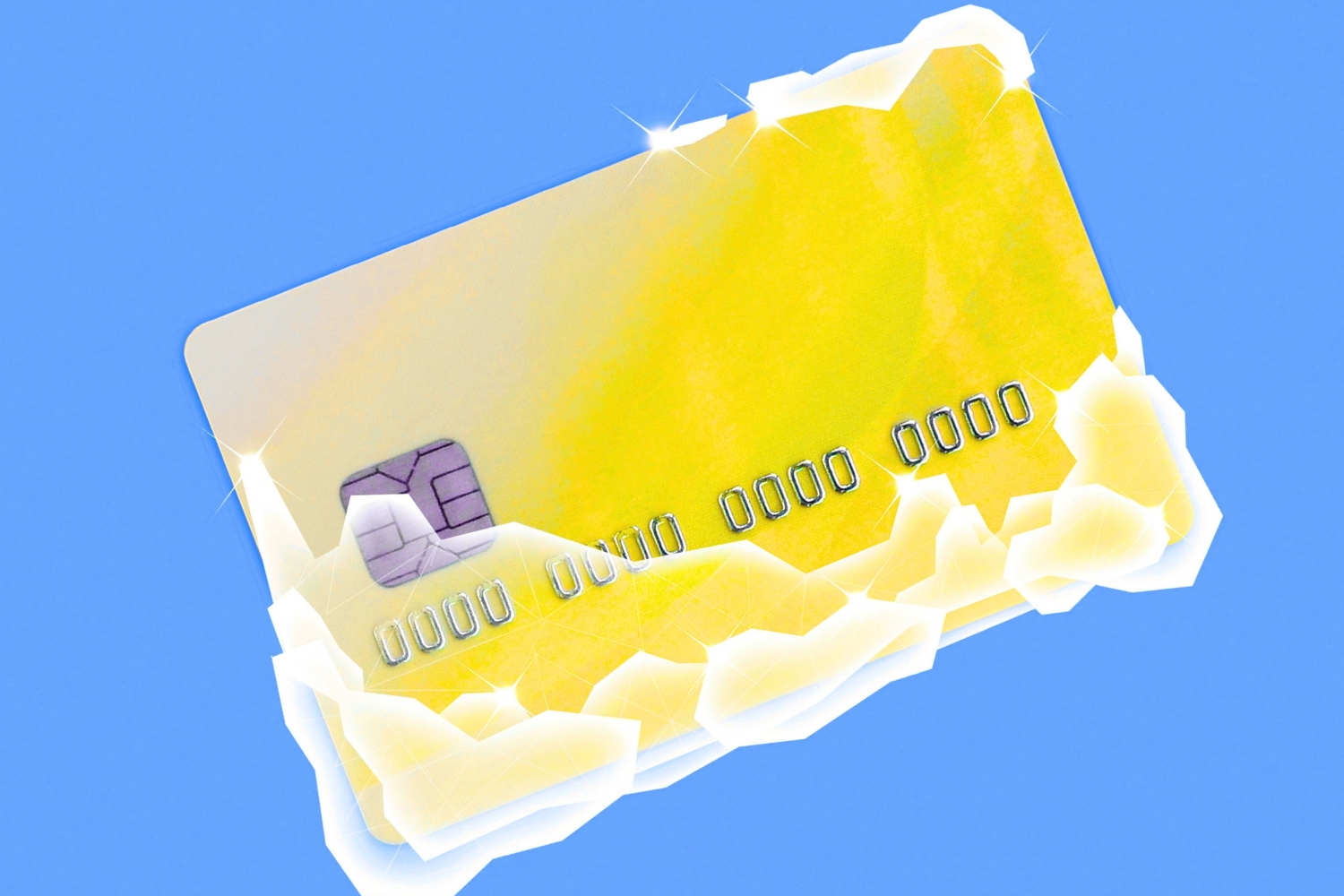
Whether you’ve already been the victim of identity theft or are just proactively protecting yourself from fraud, you’ve probably already heard about two tools designed to help protect your finances: a credit freeze and a fraud alert. Both options are powerful ways to protect your credit, but they each offer different levels of protection and are suited to different situations.
To help you figure out which option is right for you, we’ve put together this guide with the help of Torie Cullers, Risk and Fraud Manager here at Amplify Credit Union. Here’s what you need to know about credit freezes and fraud alerts, how each works, how to create them, and what to keep in mind.
Before deciding which of these options is best for you, it’s first important to fully understand what you’re comparing.
“A fraud alert is a notice placed on your credit report that tells lenders and creditors to take additional steps to verify your identity before extending any new lines of credit in your name,” Cullers explains. “A fraud alert doesn’t block access to your credit; it just adds an extra layer of awareness.”
So, how does a fraud alert work? Essentially, when a lender pulls your credit report to open a new account, the alert tells them to call you or confirm your identity in a different way to ensure you are the one making the request. This makes it much harder for a thief to take out a loan or a credit card with your personal information.
If you think you might need to place a fraud alert on your credit report, it’s important to know that there are three types.
Placing a fraud alert is simple and free:
Once you place a fraud alert, each bureau will send you a confirmation. Keep records of your confirmation in case you need to follow up.
“A credit freeze goes a step further than a fraud alert,” says Cullers. “When you freeze your credit, your credit report is entirely locked. This prevents major credit reporting agencies from releasing your credit report to new creditors. Since lenders usually need to access that report to open a new account in your name, a freeze stops most new credit activity completely.”
It’s important to note, however, that a credit freeze does not impact your credit score. It also doesn’t prevent you from accessing your credit report yourself. Instead, a credit freeze makes it almost impossible for anyone else to open an account in your name without your knowledge.
You may also come across “credit lock” products sold by the bureaus or bundled into apps. While they feel similar to a freeze, a credit freeze is a right guaranteed free under federal law (FCRA), while a lock is a separate consumer product that isn’t always backed by the same legal protections.
Unlike a fraud alert, you have to place a credit freeze with each credit bureau separately. Here are the steps to follow:
“While the process to freeze your credit requires a bit more legwork,” Cullers reminds. “It is also free to remove or lift it.”
Be cautious of scammers posing as a credit bureau and asking you to “verify” your PIN or account credentials. Only use the official bureau websites and phone numbers listed above, never a link or number from an unsolicited call or text.
| Fraud Alert | Credit Freeze | |
| Impact on access to credit | Adds a warning; lenders must verify your identity | Blocks access completely |
| Duration | 1 year (initial), 7 years (extended), 1 year (active duty) | Indefinite, until you decide to remove it |
| How to place it | One bureau notifies the others | Must contact each credit bureau separately |
| Cost | Free | Free |
| Best for | Suspected risk or identity theft | Maximum protection or confirmed theft |
Still not sure which one is best for you? Cullers offers this advice.
“If you’ve been notified that you were the victim of a data breach or just want an extra layer of protection, an initial fraud alert is a great place to start. It’s easy to request and doesn’t require ongoing maintenance,” she says. “If you want maximum protection, freezing your credit is the stronger choice. While it does require more time to set up, it offers the most comprehensive level of defense.”
Cullers reminds folks that both can be used at the same time for even more protection. When both are in use, lenders must still verify your identity if your freeze is ever lifted.
Keep in mind that neither tool protects accounts you already have open. A freeze or alert only blocks new credit from being opened in your name, so it’s still important to keep an eye on your existing statements for any suspicious activity.
Understanding the difference between a fraud alert and a credit freeze is a key step in protecting your financial well-being. Both are free, easy to access, and effective. It’s just a matter of knowing which fits your situation best. If you’re dealing with suspected fraud, recovering from identity theft, or just being proactive, the major credit reporting agencies allow you to protect yourself in just a few steps. It’s worth taking the time to explore your options so you can act quickly when needed. Your financial future is worth protecting.