
































Money Management
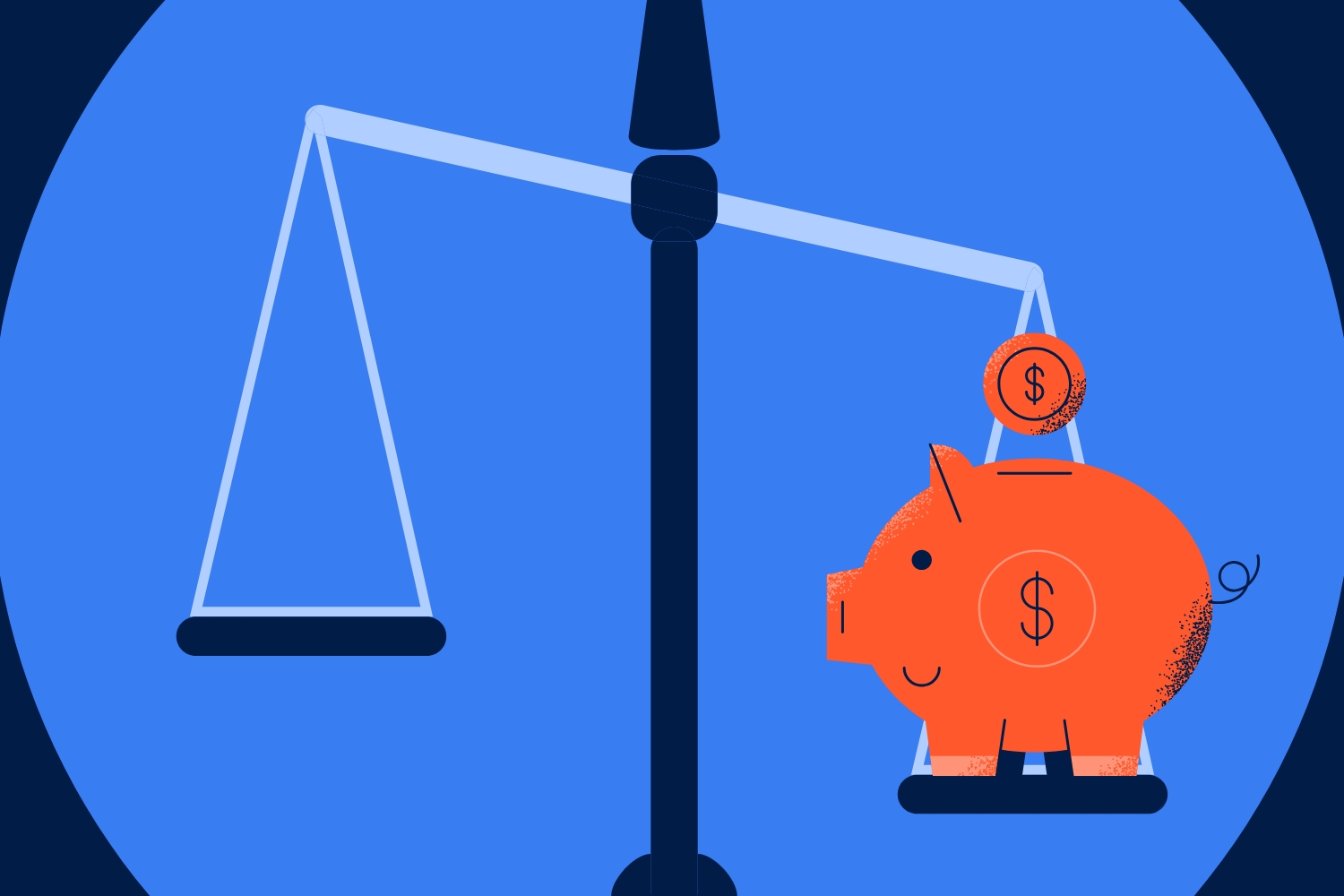
When your paycheck looks different every month, traditional budgeting advice can feel impossible to follow. One month, you might be flush with cash—then the next, you’re scraping by until the next payment comes in. That unpredictability can make it hard to plan ahead, save consistently, and feel secure about your finances.
If you’re a freelancer, gig worker, seasonal employee, or anyone whose income comes in waves rather than steady streams, you need a budgeting approach built for your reality, not one designed for a 9-to-5 paycheck. The good news is that with the right strategy, you can smooth out those ups and downs, cover your essential expenses, and even set yourself up for long-term financial goals.
Here’s a simple process you can follow to take control of your finances, even when your paychecks are unpredictable.
The first step to budgeting with irregular income is knowing what you’re working with. Even if your paychecks vary from month to month, there are usually patterns hiding in your earnings.
Start by looking back at the last 6–12 months of income. Write down what you earned each month, then note which months were your busiest and which were slower. This will give you a clearer picture of your average earnings and help you plan for both peaks and valleys.
Knowing your income trends is like creating a map. It won’t predict exactly what’s ahead, but it will help you navigate with fewer surprises.
One of the biggest mistakes people make with irregular income is budgeting as if every month will be a “good” month. That can leave you scrambling when things slow down. A more reliable approach is to build your budget around the lowest amount you can reasonably expect to earn.
Think back to your income review. What’s the smallest paycheck you’ve had in the past year? Use that number as the foundation of your budget. This ensures that you’ll always be able to cover essentials—even during lean months.
When you earn more than that baseline, treat the extra as a bonus. You can use it to pad your savings, pay down debt, or invest in future goals. This way, you’re never dependent on your best months just to get by.
Budgeting conservatively might feel limiting at first, but it creates a cushion of stability that makes the unpredictable far less stressful.
When income is unpredictable, covering your must-haves should always come first. These are the expenses that keep your household running and protect your financial well-being. Think of them as your non-negotiables.
Your essential expenses typically include:
By making sure these items are at the top of your budget, you’ll know that the basics are always covered—no matter how much you bring in during a given month. Once these are taken care of, you can allocate what’s left toward savings, debt payments, or discretionary spending.
This approach reduces stress and gives you peace of mind, because even in slower months, you’ll know your most important needs are met.
One of the best ways to manage irregular income is by creating a cushion you can fall back on during lean months. Think of it as your personal “income smoothing” fund. When you earn more than your baseline budget, set aside a portion of that extra money in a separate savings account. Then, when income dips, you can draw from this fund to keep your budget steady.
Aim to build up at least one to three months’ worth of essential expenses. If that feels overwhelming, start smaller. Setting aside even a little bit from each high-income month can make a big difference later.
Keep this fund in an account that’s easy to access, like a regular savings account. You want it available when you need it, but not so easy to dip into that you’re tempted to use it for everyday spending.
When you don’t have a regular paycheck with automatic withholdings, it’s up to you to set aside money for taxes. Ignoring this step can leave you scrambling come tax season—or worse, facing penalties.
A good rule of thumb is to save a percentage of every payment you receive. Many freelancers and small business owners set aside 25–30% of their income for federal and state taxes, though the exact percentage depends on your situation. To make this easier, consider opening a separate savings account just for taxes and moving the money over as soon as you get paid.
If you expect to owe more than $1,000 in taxes for the year, the IRS usually requires quarterly estimated payments. Mark these deadlines on your calendar so they don’t sneak up on you.
By planning for taxes as you go, you’ll avoid the stress of a large, unexpected bill and keep your finances on steady ground.
Once you’ve covered essentials and built a buffer, the key is staying consistent with how you manage your money. That comes down to three habits: tracking, planning, and reviewing.
Together, these habits give you steady control—even when your income isn’t steady.
Budgeting with irregular income can feel daunting, but it’s completely manageable when you take the right approach. By basing your budget on your lowest expected income, covering essentials first, building a buffer, planning for taxes, and keeping close tabs on your money month to month, you create a system that works—no matter how unpredictable your paychecks are.
The goal isn’t to eliminate every financial worry overnight. It’s to build habits that give you stability and peace of mind, even when income goes up and down. Start small, stay consistent, and over time you’ll find that the stress of irregular income becomes much easier to handle.