
































Fraud & Identity Protection
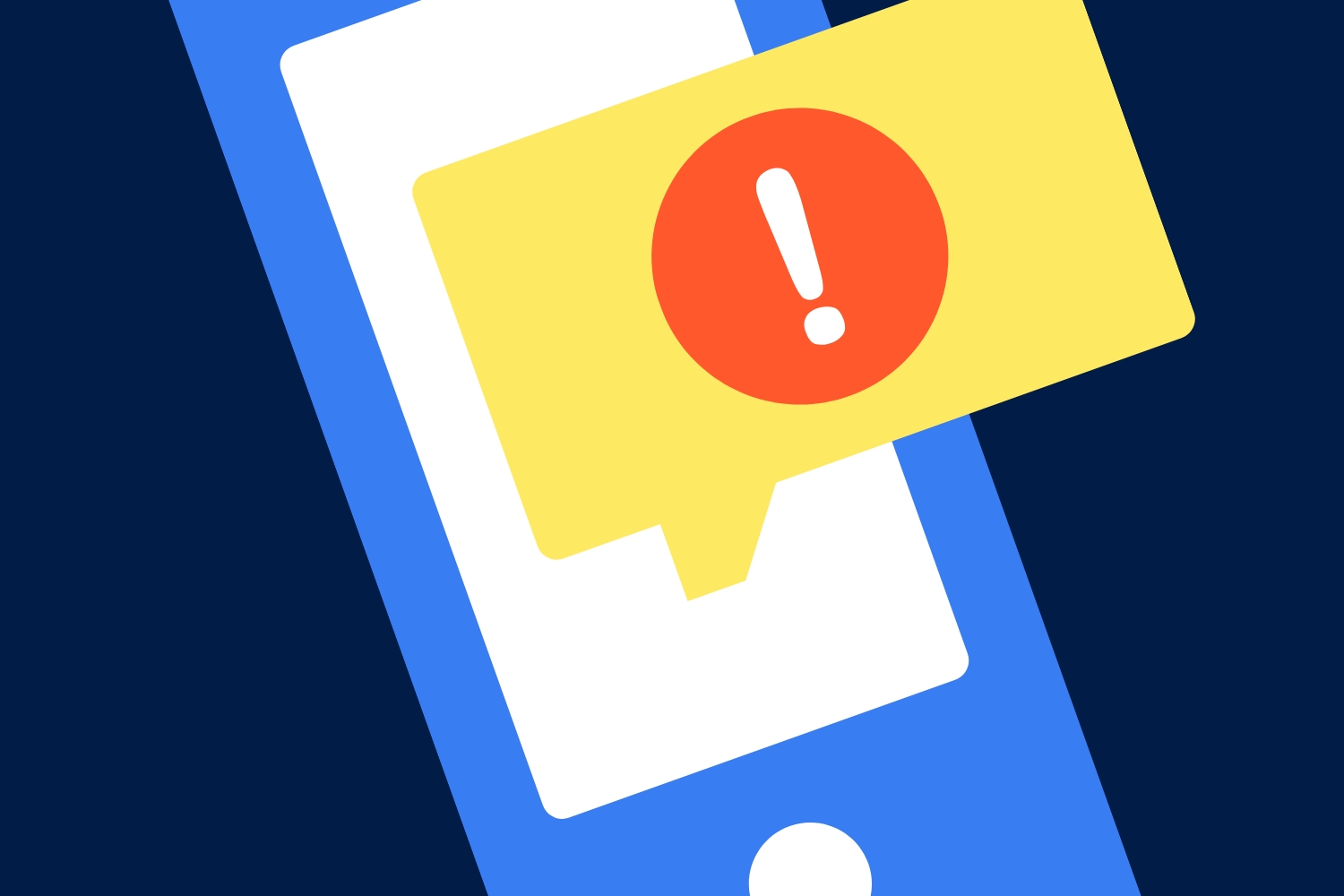
Your phone buzzes. It’s a text from your bank warning that your account has been locked and that you need to click a link immediately to restore access. It feels urgent. It looks official. And it might be completely fake.
This is smishing in action, and it’s one of the fastest-growing cyber threats targeting everyday people. Understanding what it is, how it works, and why it’s on the rise can be the difference between staying safe and handing your most sensitive information to a criminal.
Smishing is a form of phishing that takes place over text message or SMS (short message service) rather than email. The word itself is a blend of “SMS” and “phishing,” and the concept is straightforward: cybercriminals send fraudulent text messages designed to trick you into revealing personal data, clicking a malicious link, or downloading harmful software onto your device.
Like other scams and forms of fraud, smishing relies on deception and psychological manipulation. The goal is almost always the same: to steal something valuable, whether that’s your credit card numbers, bank account credentials, Social Security number, or other sensitive information.
What makes smishing particularly dangerous is the medium itself. People tend to trust text messages more than emails, respond to them faster, and are often reading them on small screens that make it harder to spot red flags.
Most smishing messages follow a recognizable playbook. The attacker impersonates a trusted source, such as a government agency like the IRS or the Federal Trade Commission, a major bank, a shipping company, or even a social media platform, and crafts a message designed to trigger an emotional response.
The most common tactic is creating a sense of urgency. Messages might claim your package couldn’t be delivered, that your account has been compromised, or that you owe a fine and must pay immediately to avoid consequences. This pressure is intentional: when people feel rushed or alarmed, they’re less likely to pause and question what they’re reading.
Once the message has your attention, the next step usually involves one of two things: clicking a link or replying with personal information. Clicking a link in a smishing message can take you to a convincing fake website designed to harvest your login credentials or credit card numbers.
In some cases, simply visiting the link on a vulnerable device can install malware — and because operating systems on mobile devices vary in how they handle such threats, the risk depends on your phone and its software version.
Some smishing attempts don’t use links at all. Instead, they ask you to reply directly with your personal information — your phone number, date of birth, account details, or even answers to security questions. Others direct you to call a number where a scammer poses as a customer service representative.
While the mechanics are similar, types of smishing attacks vary in their disguise:
COVID and health smishing surged in recent years, with attackers impersonating health authorities to phish for personal information under the guise of test results or vaccination records.
Several converging factors have made SMS attacks more attractive to cybercriminals and harder for individuals to avoid.
Together, these factors have created an environment where smishing attacks are easier to launch, harder to spot, and more likely to succeed than ever before.
While smishing attacks can be convincing, a few simple habits can significantly reduce your risk. The goal isn’t to become an expert at spotting scams. It’s to build routines that make it harder for attackers to catch you off guard.
A little extra caution can go a long way. Taking a few seconds to verify a message may help protect your personal information and prevent a much bigger problem later.
If you think you may have fallen victim to a smishing attempt, act quickly. Contact your bank or financial institution using a trusted phone number and let them know what happened so they can help protect your accounts. Change your online banking password and any other passwords that may be similar, especially if the same login information is used across multiple accounts. Review recent account activity for unfamiliar transactions and continue monitoring your accounts closely.
If highly sensitive information such as your Social Security number was shared, consider placing a fraud alert or credit freeze with the major credit bureaus for additional protection. IdentityTheft.gov is an incredible resource that can help you create a plan to recover from identity theft.
You can also report the incident to the Federal Trade Commission through ReportFraud.ftc.gov to help authorities track scam activity and warn others. Taking action quickly can help limit potential damage and reduce the likelihood of further fraud. Furthermore, you can forward suspicious texts to 7726 (SPAM), which is a carrier supported reporting short code in the United States. Most major carriers participate and taking this extra step will help your wireless provider block similar messages in the future.
Smishing attacks have become more common because they take advantage of something most of us use every day: our phones. Text messages often feel personal and immediate, which can make it easier to lower our guard. Taking the time to understand how these scams work and sharing the information with loved ones who might be especially vulnerable can make all of the difference.